The body heals with play, the mind heals with laughter and the spirit heals with joy.
– Proverb

Have you heard of Pulsed Electro-Magnetic Field Therapy (PEMFT)? Well, up until recently I had no idea what PEMFT was, and now I don’t go a week without it!
Essentially, PEMFT helps your cells recover from aging and deteriorating by improving cellular metabolism. Since beginning PEMFT, I’ve noticed increased energy and more motivation, which I find fabulous.
While I could attempt to explain what it is, Dr. Hans van Latenstein is the expert on PEMFT and will be speaking at the Acupuncture Wellness Center in West Des Moines, Thursday, November 5, which is tomorrow!
I invite you to come hear from the expert on what PEMFT is, how it was discovered by NASA, and ways to use it to better your health. RSVP Here

The most basic theory of acupuncture is yin and yang. Before we talk about theory, let’s talk about pronunciation. Most people know how to say “yin,” but a little pet peeve of mine is when people say “yang” like Cristina Yang’s name from Grey’s Anatomy, with a long vowel sound, which is incorrect. It is actually pronounced with a short vowel sound, like yawn.
Ok, now for the theory:
Most people associate yin and yang as simply opposites, but there is a little more to it. While yin and yang oppose each other, they also support each other. Neither can exist without the other; they are infinitely divisible in each other, and they are dynamic.
Everything in life, in this universe, plays a role in the yin yang theory.
Some examples:
| Yin | Yang |
| Moon | Sun |
| Midnight | Midday |
| Winter | Summer |
| Water | Fire |
| Cold | Heat |
| Stillness | Movement |
| Dark | Light |
| Hidden | Revealed |
| Hard | Soft |
| Heavy | Light (mass) |
| Female | Male |
We all know it’s important to drink plenty of water throughout the day, I mean, roughly 50-75% of our bodies are made of water! But a common complaint I hear is that water is boring or people just don’t like it.
 A fabulous way to make water a little more flavorful is to add lemon and honey. When I make this I use about a teaspoon of local honey (I love supporting local bee keepers!) and a couple drops of Young Living Lemon Essential Oil, which is a high quality therapeutic grade oil brand that is safe for ingestion.* Another option to incorporate lemon is to add a fresh slice right to warm or hot water.
Lemon: the temperature is cold; the taste is sour; the channels of the body it affects are the gallbladder, liver, kidney, lung and spleen. This promotes Qi and blood circulation, clears heat, removes toxins and transforms phlegm.
Honey: the temperature is neutral; the taste is sweet; the channels it affects are the spleen, stomach, large intestine and lung; the effects are: nourishes Yin, tonifies Qi, supplements Qi and blood, promotes blood circulation and removes toxins.
Lemon and honey are great additions to your daily habits year round, but especially in the autumn and winter since these seasons are Yin in nature, as opposed to Yang. Yin has to do with thicker, denser, more liquid substances throughout the body. According to Chinese medicine, when you combine foods of sweet and sour properties you have a wonderful mixture to tonify the Yin of the body. With the season of autumn being dry in nature, it is so important to be sure you’re nourishing and hydrating yourself.
Temperature: It’s also important to drink room temperature or warm water. This is one of the biggest differences between western and eastern theories. While western theories may say ice cold water boosts your metabolism to burn calories, according to eastern medicine, the cold may be hard on your digestive system.
Think of the spleen and stomach as a melting pot; food and liquid needs to be warmed and mixed in order to be digested. When you eat or drink warmer temperature items, you are helping the work of the spleen and stomach. When you eat or drink cooler temperature items you are making the spleen and stomach work harder. In today’s age with diet and lifestyle, many peoples’ spleens are already a little weak, so the ice and cold temperatures add to the problem. You may be experiencing bloating, gas, or loose stools if your spleen is deficient or weak.
This is one simple change you may add into your daily life. I will say it is a tough transition, and there will be foods and drinks you always want to be cold, but if you could incorporate more room temperature to warm things in your life your spleen with thank you for it! I promise you eventually get used to it! Just remember, small steps. Change takes time, but it’s worth it to feel more well and balanced.
*The suggested uses in the above post apply only to the use of therapeutic grade, Young Living Essential Oils. Not all essential oils are the same! Be sure to consult with the product label or healthcare professional for correct usage of other.
I’m so thankful to have acupuncture and Oriental medicine in my life. I love being able to help improve the quality of life of others, and I also enjoy being able to use the theory in my every day life. Traditional Chinese Medicine is truly amazing.
Check out these pages for great information about acupuncture:
Click to access AOM%20Day%202015%20Newsletter.pdf
Click to access Brochure_AOM_Day_2015.pdf
Let me know if you have any questions about acupuncture and/or Oriental medicine!
“I’m so glad I live in a world where there are Octobers.”
– L.M. Montgomery


Have you noticed the shift in seasons has begun? Even though Iowa still has some warm days, there is definitely a chill in the air! It’s important to note when the seasons change, as it subtly suggests we should also change and incorporate some modifications into our daily life.
The season of autumn belongs to the Lung*. According to the Yellow Emperor’s Classic of Medicine, by Maoshing Ni, this is when “all things in nature reach their full maturity, heavenly energy cools, wind begins to stir, it’s the pivoting point when the yang phase turns into the yin phase.”
Essentially, this means it’s time to change up the way you do things a bit. Here are some helpful tips from the Yellow Emperor to naturally change with the season:
While it may be difficult to follow all of them, focus on a few you think you can do and try to integrate the change of season into your everyday life.
Happy Autumn!
*When practitioners of Chinese Medicine talk of organs, it does not necessarily mean the physical organ. Rather we are talking of the channel of the organ and the properties associated with the organ according to Chinese Medicine.
“We only have one body for this one amazing life; we better take the best care of it we can.”
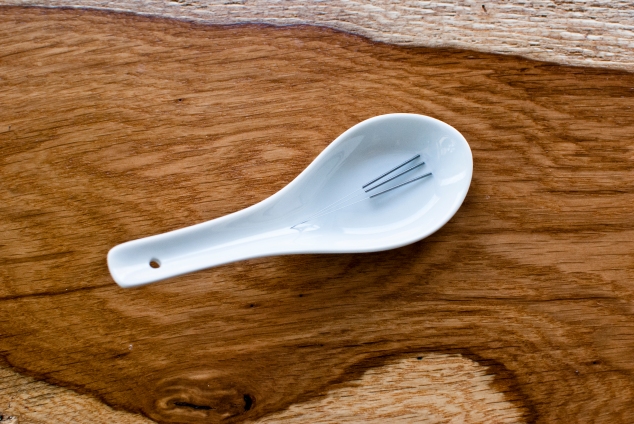
Photo Credit: Amanda Sengbusch
Traditional Chinese Medicine (TCM) encompasses a variety of modalities including acupuncture, cupping, tui na, gua sha, moxa, herbal therapy, and food therapy.
Acupuncture has been practiced for 3000-5000 years. It is defined as the insertion of sterile, disposable, single-use needles into acupuncture points throughout the entire body. The points are located on meridians that course throughout the body. Through the use of acupuncture points, a particular effect may be obtained because each point has specific functions. There are as many as 2,000 points.
Cupping is the use of glass cups to create a suction of the skin. The most common place to cup is the back, legs, hips and shoulders. Cupping is the therapeutic use of suction to increase blood and oxygen flow to the area. This helps relax the muscles, stimulate acupuncture points and decrease pain. Cupping helps with conditions of coughing, pain, poor sleep and more. Bruises are a common side effect of cupping, depending on the patient’s condition and constitution; the bruises should only last 3-7 days.
Electrical Stimulation Acupuncture (E-Stim) is the use of a tens unit along with the acupuncture points to provide constant and measurable stimulation to the desired points. E-stim is effective with increasing the results of post-stroke symptoms and reducing pain.
Gua sha, meaning “scraping sha – bruising” is the use of a spoon, jade or other utensil that scrapes the skin to produce light bruising. This releases unhealthy elements and increases blood flow and healing.
Herbal therapy has been around for thousands of years. It is a useful complement to acupuncture treatments because while a person may only get acupuncture treatments weekly, monthly or as needed, a person may take herbs daily to address certain symptoms and support their constitution. Herbs are great for balancing the body and for addressing: digestion, emotions, sleep, women’s issues, common colds and flu.
Moxibustion (moxa) is the use of the herb, mugwort, topically to increase energy, reduce pain and benefit the overall constitution.
Tui na “twee- nah” is a combination of massage and acupressure that uses the meridians and acupuncture points to increase the movement of qi and reduce pain.
“Our bodies tell us things every day; we just need to be aware of it and listen.”
 Being Well & Balanced